
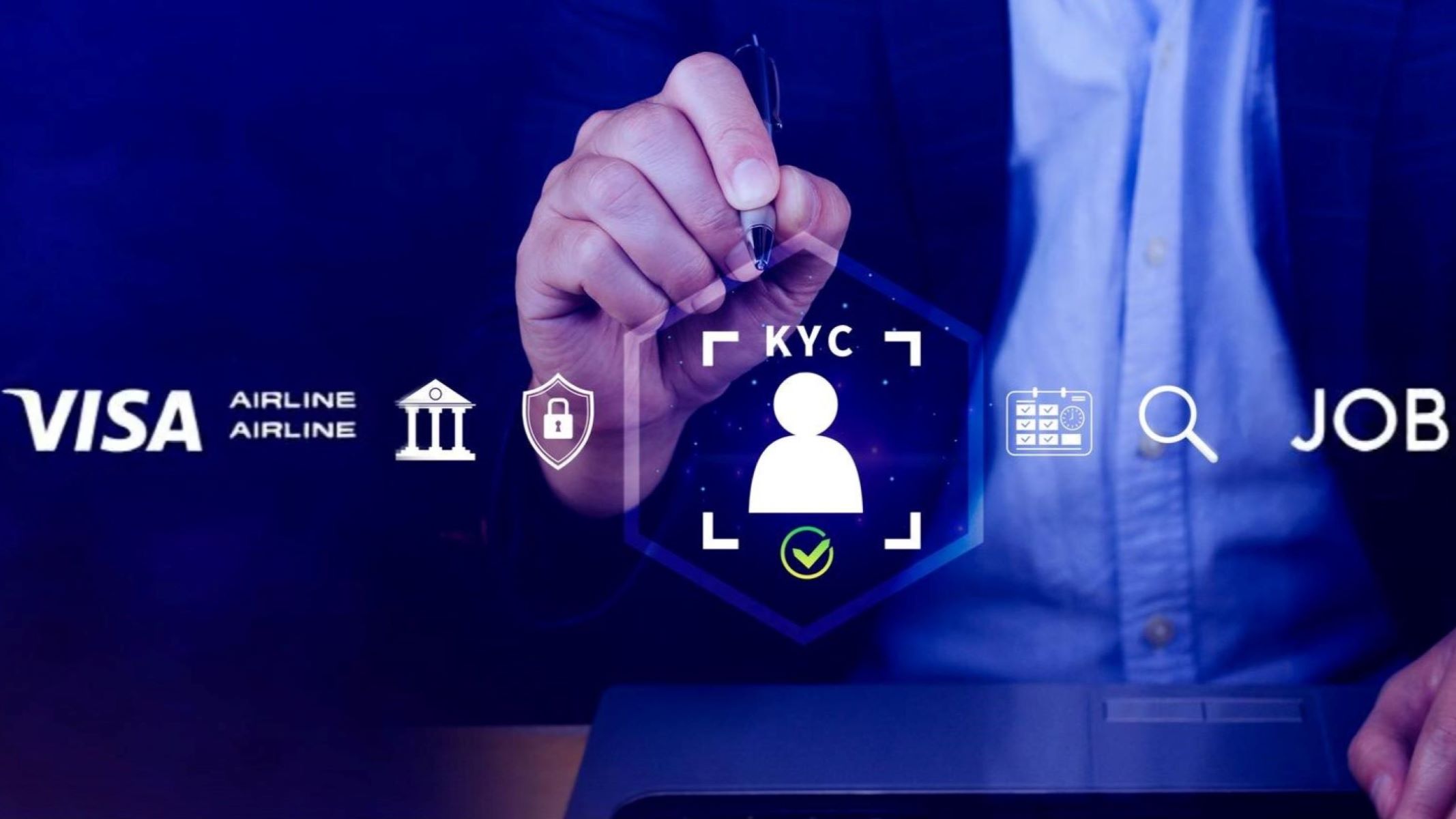
In today’s digital age, uploading personal documents online is common — but when it comes to something as sensitive as your passport photo, is it really safe? Many of us need to submit these images for visa applications, flight bookings, or official identifications. But with rising cases of data breaches and identity theft, it’s natural to wonder: Should I be uploading my passport photo online?
Why People Upload Passport Photos Online
In the United States, uploading passport photos online has become increasingly common due to the digital transformation of government and private sector services. Many official government portals, such as the U.S. Department of State’s passport renewal or visa application websites, require applicants to submit a digital version of their passport photo. This shift has been driven by the need for faster processing times and more efficient document management. Instead of mailing physical photos or visiting offices in person, applicants can now upload their passport images directly from the comfort of their homes, streamlining the entire process.
Beyond government use, travel companies and other businesses have embraced online uploads to enhance convenience. Whether you are booking an international flight, applying for a job that requires identity verification, or opening a financial account, digital passport photos expedite verification steps. This convenience reduces delays, lowers costs for agencies, and allows customers to avoid lengthy, face-to-face procedures. Simply put, uploading a passport photo online is often the quickest and easiest way to provide identity confirmation in today’s connected world.
Common Uses for Passport Photos Online
Passport photos are required in a variety of online contexts, reflecting the importance of identity verification in multiple aspects of modern life. Here are some of the most common uses for passport photos uploaded online:
- Visa and Immigration Applications: Most U.S. embassies and consulates around the world now accept online visa applications that require passport photos to be uploaded in digital format. This speeds up the review process and reduces paperwork.
- Airline Ticketing and Check-in: Many airlines ask travelers to upload passport photos when booking international flights or using expedited security programs like TSA PreCheck or Global Entry, ensuring smooth verification at airports.
- Online Banking and Financial Verifications: Banks and financial institutions use passport photos as part of Know Your Customer (KYC) procedures, helping to prevent fraud and comply with federal regulations like the Patriot Act.
- Job Applications and Background Checks: Certain employers require candidates to submit passport photos when undergoing background checks or identity verification, especially for positions requiring security clearance or access to sensitive areas.
These examples illustrate how passport photos have become a key element in verifying identity across multiple sectors, making their secure handling online crucial.
Understanding the Risks
Uploading a passport photo online carries inherent risks that users must be aware of before sharing such sensitive information. While online services offer undeniable convenience, they also expose your identity to potential misuse. Understanding these risks can help you make informed decisions about when and where to upload your passport photo, and how to protect yourself in the process.
Identity Theft Threats
Your passport photo is more than just a picture; it is a critical element of your legal identity. Cybercriminals can combine your photo with other personal information—such as your name, date of birth, or Social Security number—to impersonate you. This impersonation can lead to serious consequences, such as opening fraudulent credit accounts, applying for loans in your name, or even committing crimes while posing as you.
In the United States, identity theft is a growing problem, with millions of people affected annually. Criminals often target easily accessible personal data online, and passport photos can provide a key visual verification that makes their deception more convincing. Therefore, protecting your passport photo is a vital part of safeguarding your overall identity from fraudsters looking to exploit official documents.
Privacy Concerns
When you upload your passport photo online, you are essentially entrusting a digital copy of your identity to the website or service. Unlike physical photos, digital files can be easily copied, shared, or stored indefinitely. This loss of control raises serious privacy concerns. Even trusted websites may share your data with third parties, use it for profiling, or fail to adequately protect it from unauthorized access.
Furthermore, once a passport photo is uploaded to an online platform, it can be difficult—if not impossible—to remove completely. Copies might exist on backup servers or in the hands of third-party contractors. This makes it hard to guarantee that your sensitive information stays private, potentially exposing you to unwanted tracking, scams, or identity misuse.
Data Breaches and Hacks
No online platform is completely immune to cyberattacks, no matter how secure it claims to be. Even government agencies and major corporations have suffered data breaches, resulting in millions of personal records being exposed. If a website where you upload your passport photo experiences a hack, your image could be stolen and disseminated without your consent.
In the U.S., data breaches affecting passport photos and other identification documents have led to significant consequences, including increased identity theft reports and costly recovery processes for victims. Cybercriminals use stolen data to perpetrate scams, create fake IDs, or sell information on the dark web. The risk of data breaches underscores the importance of verifying a website’s security and understanding how your data will be protected before uploading your passport photo.
Where Do People Upload Passport Photos
Uploading passport photos online has become a necessity in many aspects of daily life, especially in America where digital processes are increasingly the norm. People upload passport photos to a variety of platforms depending on the purpose, ranging from official government portals to private travel agencies. Each platform serves a different function but handling your passport photo on these sites comes with different levels of risk and security.
To better understand these platforms, here’s a table summarizing the common types of websites where passport photos are uploaded, their purpose, and associated risks:
| Platform Type | Purpose | Examples | Risk Level |
| Government and Official Websites | Passport renewals, visa applications, ID verification | U.S. Department of State, USCIS, local DMV portals | Generally high security, regulated |
| Travel Agencies and Airlines | Flight bookings, travel verification, expedited security programs | Expedia, American Airlines, TSA PreCheck | Medium security, depends on platform |
| Social Media and Unofficial Platforms | Sharing photos, online identity, casual uploads | Facebook, Instagram, forums | High risk, no formal security controls |
Government and Official Websites
Government websites like the U.S. Department of State’s portal for passport renewals or the U.S. Citizenship and Immigration Services (USCIS) visa application system are some of the most trusted places to upload passport photos. These platforms follow strict security and privacy regulations set by federal law to protect sensitive information. Their systems use encrypted data transmission, multi-factor authentication, and secure storage to ensure that your passport photo and other personal information remain confidential. Using these official portals minimizes the risk of data theft and unauthorized access.
However, despite strong security measures, even government websites are not completely immune to cyber threats. They may occasionally experience phishing attacks, user error vulnerabilities, or targeted hacking attempts. That’s why it’s important to always verify you are on the official government site (look for .gov domain endings) and use secure internet connections when uploading your passport photo.
Travel Agencies and Airlines
Airlines and travel agencies also often request passport photos to streamline international travel processes. Platforms such as American Airlines or booking sites like Expedia may ask for these photos to verify traveler identity, assist with visa requirements, or expedite check-in and customs clearance through programs like TSA PreCheck and Global Entry. These companies usually implement reasonable security protocols including HTTPS encryption and secure servers to protect traveler data.
Still, the security level can vary widely depending on the company and their digital infrastructure. Some smaller or less well-known travel agencies may not invest enough in cybersecurity, potentially putting your passport photo at risk. Always check the credibility of the travel site, read reviews, and avoid uploading sensitive documents on platforms without clear security assurances.
Social Media and Unofficial Platforms
Unlike official and travel-related sites, social media platforms and unofficial websites represent a significant risk when it comes to sharing passport photos. Sometimes people share passport photos on Facebook, Instagram, or various online forums either accidentally or without understanding the consequences. These platforms do not require such sensitive information for legitimate reasons, and they often lack the specialized security measures necessary to protect personal identification documents.
Uploading or sharing passport photos on social media exposes your identity to the public and to potential misuse by scammers, identity thieves, or hackers. Once an image is online, it can be copied, altered, and redistributed easily, often without your knowledge or control. Therefore, it’s strongly advised never to post passport photos on social media or any unofficial platform.
How Secure Are These Platforms
When considering uploading your passport photo online, it’s essential to evaluate the security of the platform. Not all websites are created equal, and knowing how to distinguish between trustworthy and risky sites can protect you from identity theft and data breaches.
Security Protocols Used by Trusted Websites
Trusted websites, especially government portals and major travel companies, use advanced security protocols to protect your sensitive data. The most visible sign is HTTPS — this means data is encrypted as it travels from your computer to the website’s servers, making it nearly impossible for hackers to intercept. Along with encryption, reputable sites employ secure servers that limit access only to authorized personnel, regular security audits, and compliance with regulations like the U.S. Privacy Act or GDPR if they operate internationally.
Additionally, many trusted platforms use multi-factor authentication (MFA) to add a layer of security. This means you must verify your identity using more than just a password — often a text message code or biometric scan is required. These measures significantly reduce the risk of unauthorized access to your passport photo and other personal information.
Red Flags: Unsecure or Unknown Websites
On the other hand, websites that lack HTTPS, request excessive personal information without explanation, or have vague privacy policies should be avoided at all costs. Such red flags often signal that a site is either insecure or potentially malicious. Uploading your passport photo to such sites risks exposing your identity to cybercriminals or unscrupulous third parties who may misuse your data.
Poor website design, lack of contact information, or negative user reviews are additional warning signs. It’s important to thoroughly research any unfamiliar platform before submitting sensitive documents. Remember, once your passport photo is uploaded to an insecure site, it’s difficult to control or retrieve it, potentially leading to serious identity theft or fraud.